

Improved production visibility reduced costs by 10%
10%
LBU Inc

Client
LBU Inc
LBU Inc. Is The Largest Manufacturer Of Cut And Sewn Product
Industry
Manufacturing
Engagement
Manufacturing Operations Digital Transformation
Region
North America
Duration
Ongoing
LBU Inc. is a leading U.S.-based manufacturer specializing in custom promotional products, branded merchandise, bags, and packaging solutions. Serving customers across diverse industries, the company manages complex manufacturing processes. It involves multiple departments, inventory locations, suppliers, and outsourced production partners.
LBU needed a centralized platform to streamline production workflows, inventory, procurement, and reporting due to massive demand. They simply wanted to improve visibility, eliminate manual processes, and build a scalable digital foundation.
First and foremost, managing production across multiple departments created operational bottlenecks. There was limited visibility into work-in-progress tasks.
Moreover, their team used to rely heavily on manual coordination for different tasks. Either they had to track production orders, inventory consumption, procurement activities, and outsourced jobs, all of which were too time-consuming.
Without a centralized workflow system, monitoring production status, maintaining inventory accuracy, and controlling operational costs proved increasingly difficult. Even worse, once the number of orders grew, LBU found it very important to have a scalable solution to automate, improve collaboration, and make better decisions.
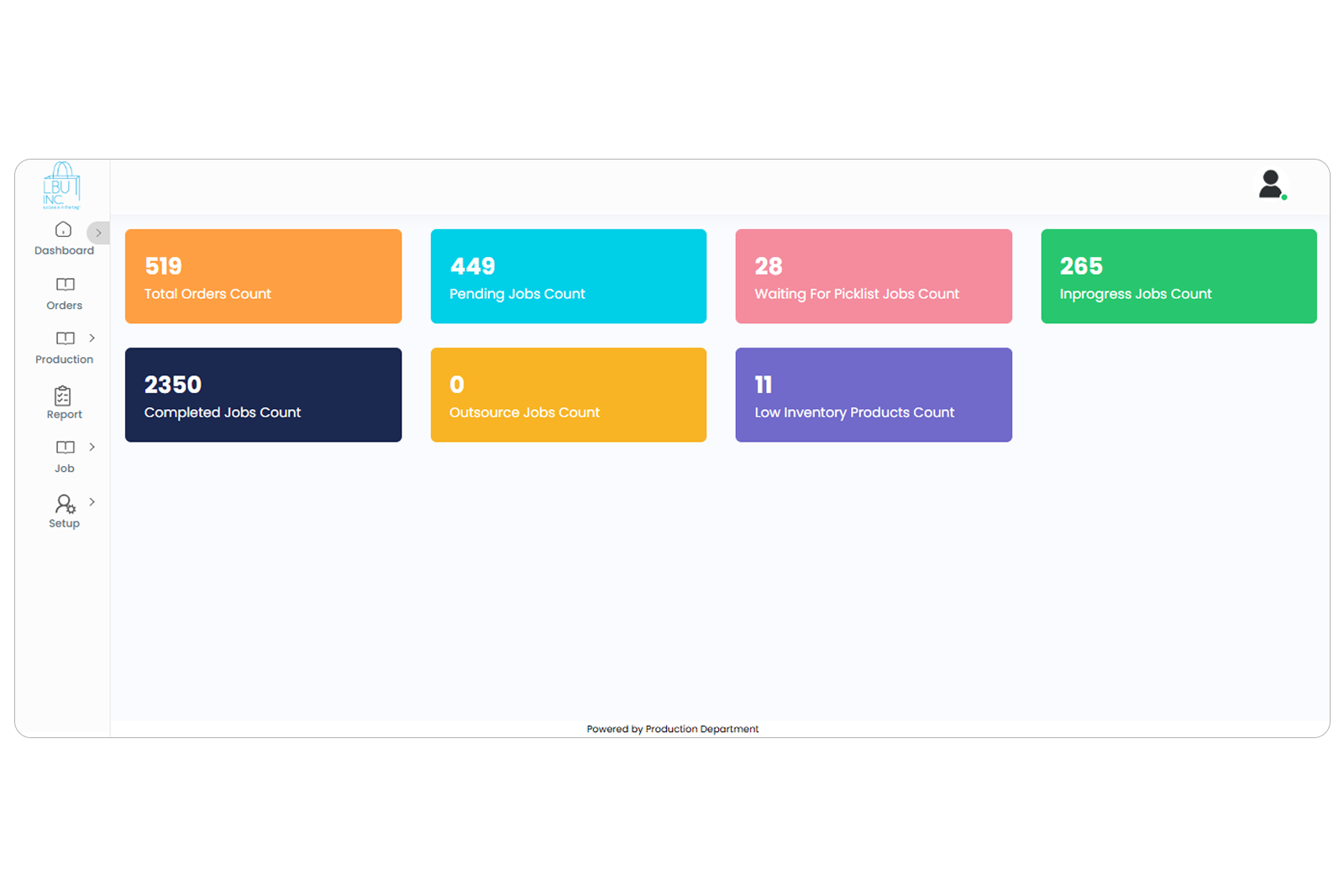
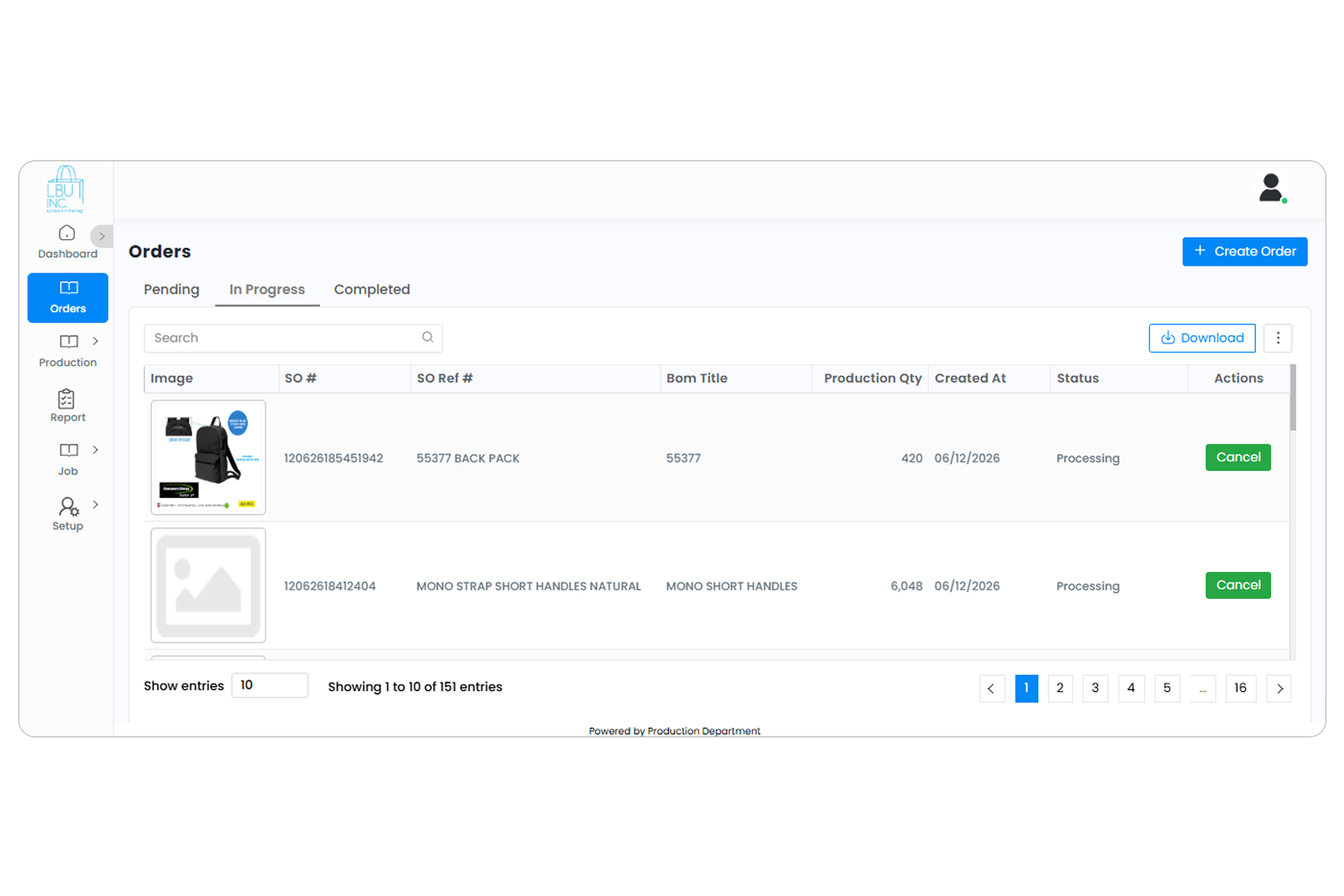
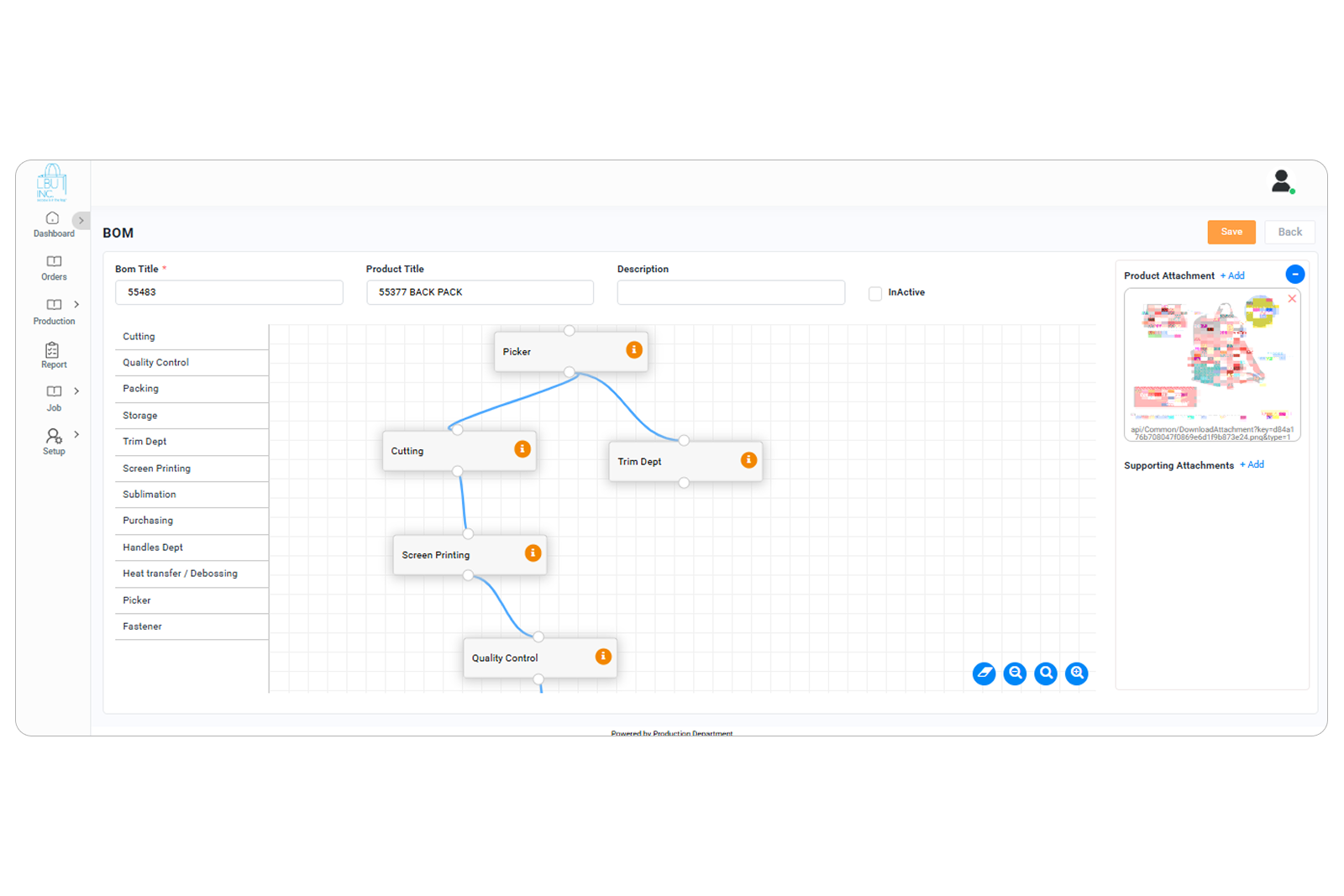
Based on their requirements, Matech Co designed and implemented a cloud-based Manufacturing Operations Platform up to the mark.
We worked extremely hard to ensure it aligns with their production environment, production planning, inventory management, procurement, and reporting. Moreover, our Custom Bill of Materials workflows let administrators define department-specific production routes and automate job progression through each stage.
Other than that, our solutions covered everything from production order management and job lifecycle tracking to picklist generation, inventory synchronization, supplier and contractor management, purchase order processing, and outsourced job tracking.
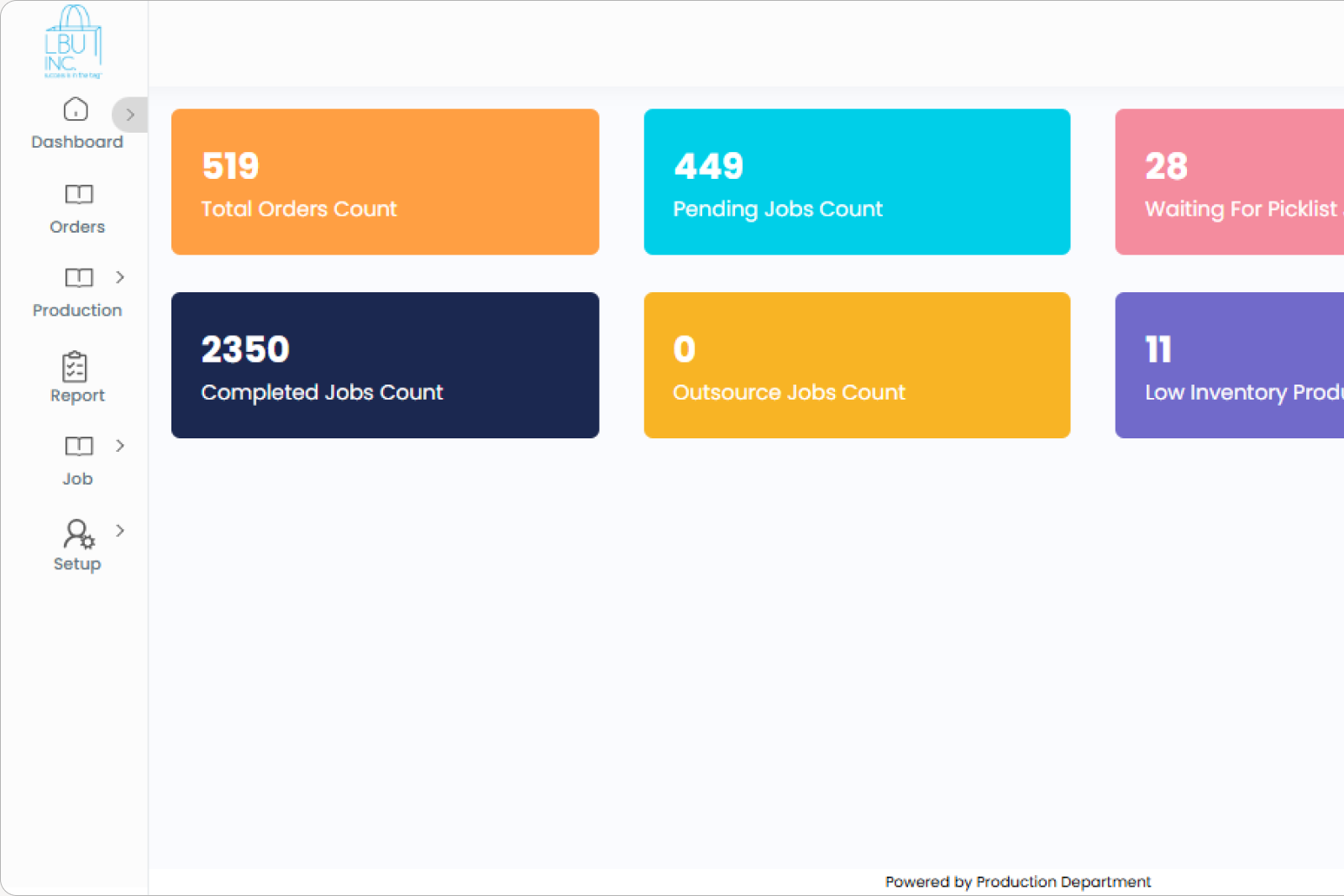
Also, real-time dashboards inside it give teams visibility into order status, production workloads, pending jobs, and low-stock alerts. Meanwhile, reporting lets management monitor inventory transactions, purchasing activity, and production efficiency.
Hosted on AWS and powered by .NET and MySQL, this platform delivers all they require from scalability and real-time access to manufacturing data.
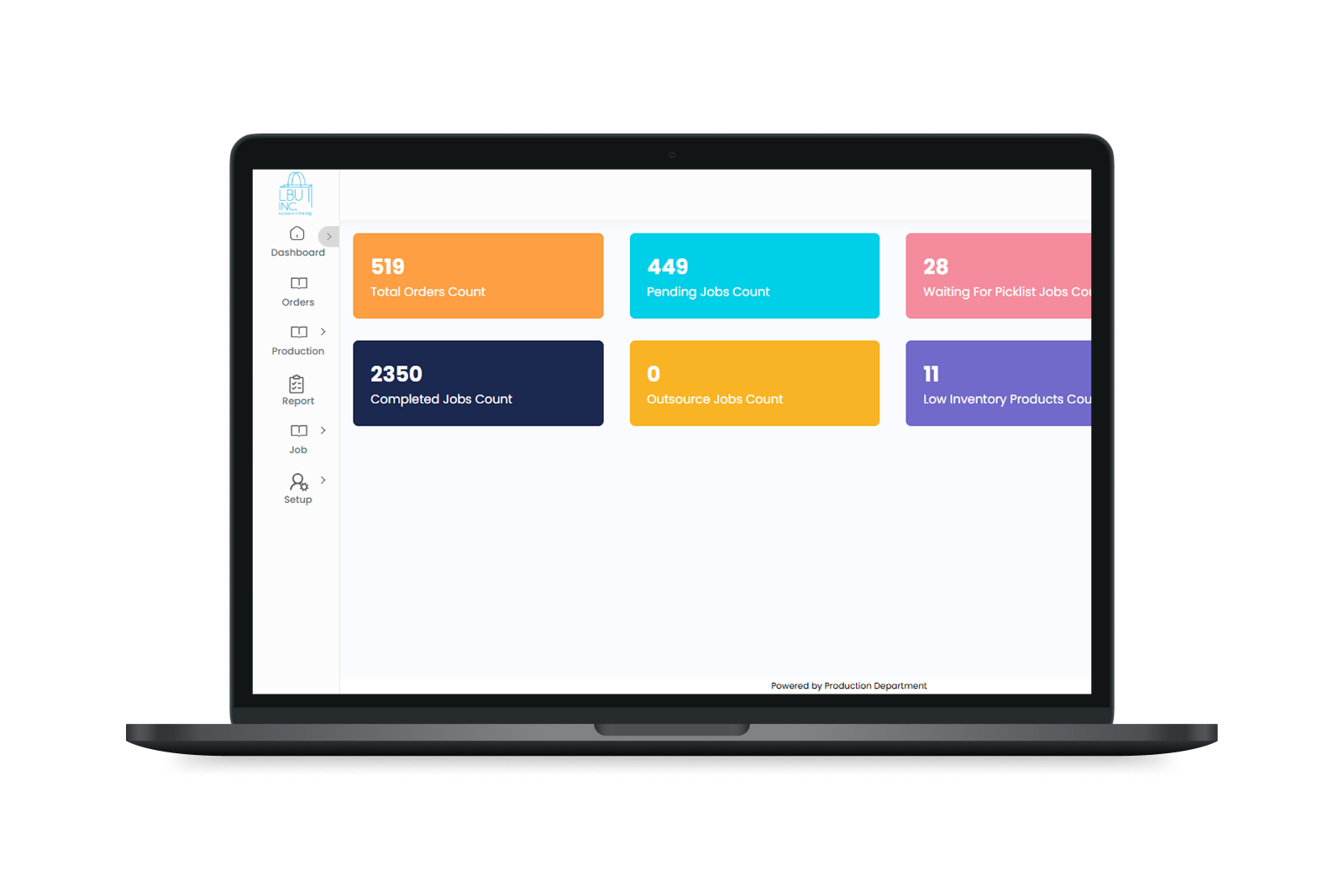
Improved production visibility reduced costs by 10%
Centralized job tracking made coordination 3x faster
Automated inventory synchronisation accuracy by 35%
Workflow automation reduced work by 60%